How Science and Ingenuity Built Early America
 The Pulse
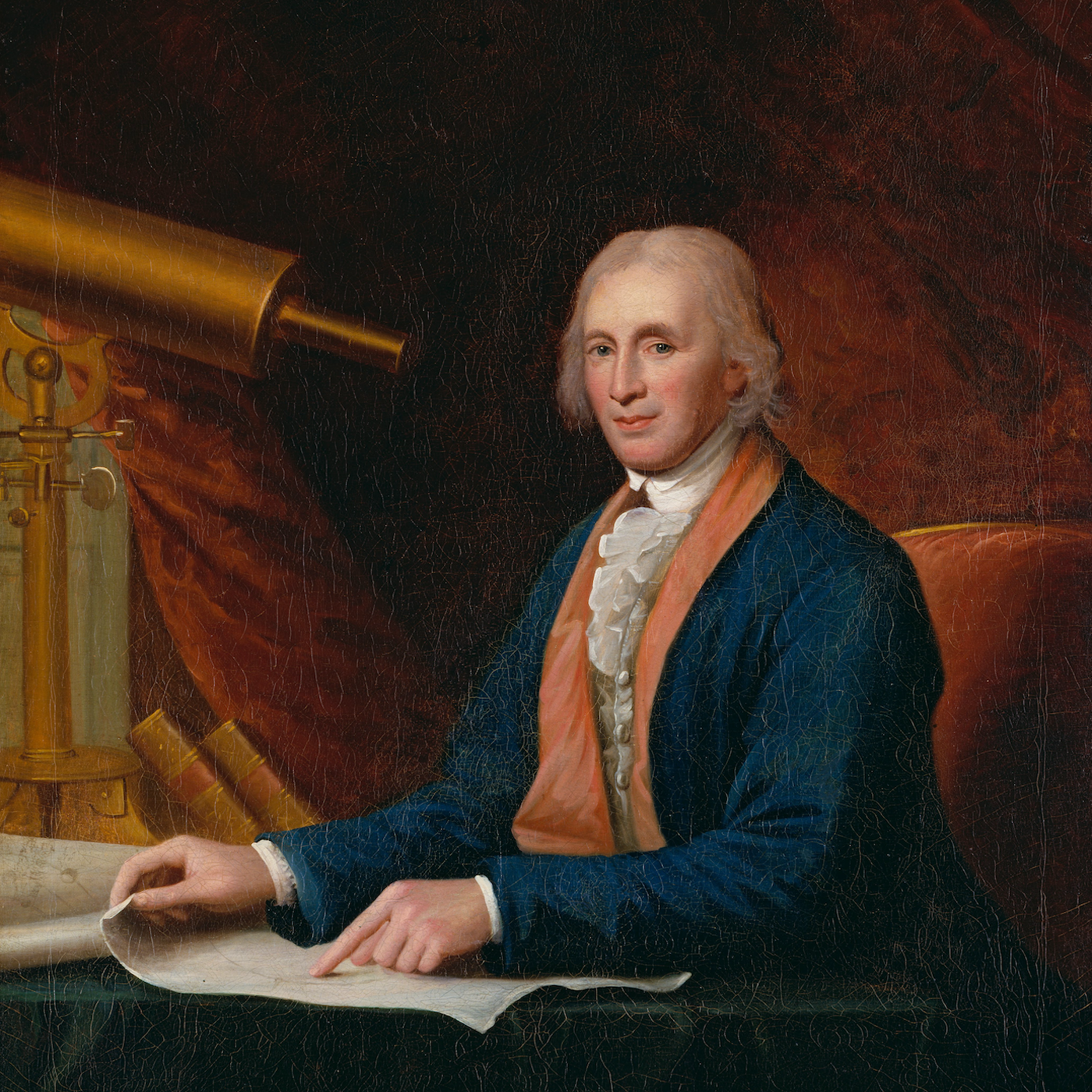
Two hundred and fifty years ago, Philadelphia was not just the center of political revolution, but a hub of scientific discovery. For America’s founders, science was more than a pastime — it was a way of understanding the world and the natural laws that shaped it. On this episode, we explore how science and innovation helped give birth to a new nation. We visit the American Philosophical Society in Philadelphia to explore how tracking the transit of Venus in 1769 became a major success for astronomers in the colonies, one that put American science on the map. We’ll also hear about efforts to find the exact location of the observatory that once stood near Independence Hall — the place some people say was the location where the Declaration of Independence was read out loud for the first time. The first sentence of the Declaration of Independence cites, “Laws of Nature and of Nature's God,” but what exactly does that mean? Caroline Winterer, Professor of History and American Studies at Stanford University joins us to discuss the ideas that allowed the Founders to bridge the gap between physical science and political governance, effectively inventing our modern concepts of society and inalienable rights. We dive into the story of the "Turtle," the first submarine used in combat which was invented during the Revolutionary War. Reporter Alan Yu explains the many innovations contained in this small vessel, and its daring first mission.
Publisher
The Pulse
Link
play.prx.org/listen?ge=prx_12369_170d1353-c2da-41ce-9e27-6734b324556a&uf=https%3A%2F%2Fpublicfeeds.net%2Ff%2F12369%2Fthepulse.xml
Published
June 25, 2026
Duration
1h 3m
Format
Podcast
Category
Lifestyle · Health & Wellness
Source
RSS feed
Host
WHYY
#science #ingenuitybuiltearly
