Why farmers struggle to adopt new agricultural technology
 VoxDev Development Economics
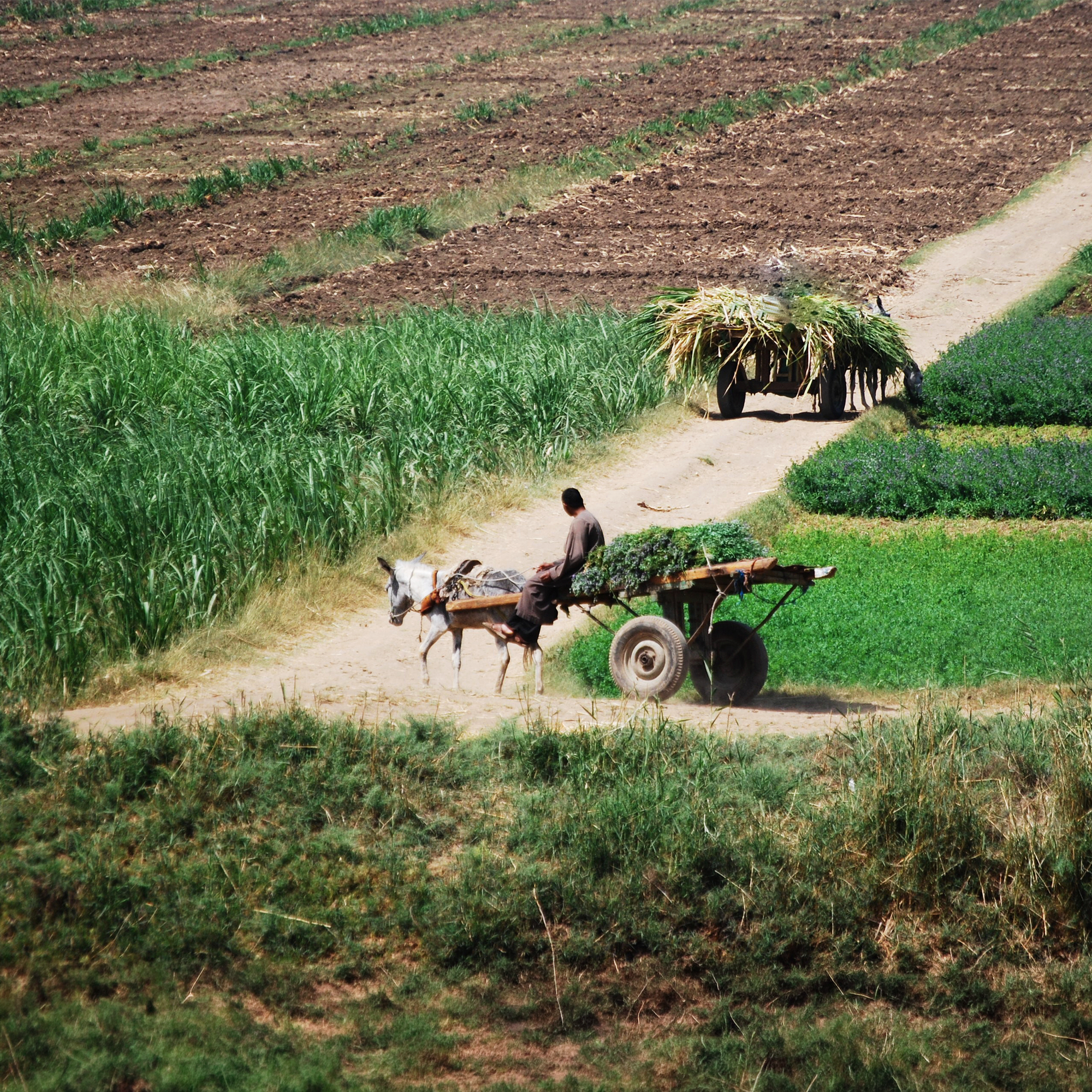
How many maize seeds should farmers plant in each hole? Ask the farmers and they say two or three. Agronomists can show them more reliable seeds, where they only need one. But change the seed and everything else changes too; the fertiliser, the spacing, the whole system. This is why getting better technology into the hands of African farmers, and helping them to find ways to improve their profits, is so much harder than it looks. Rachid Laajaj (Universidad de los Andes) and Karen Macours (Paris School of Economics) tell Tim Phillips about an experiment in Kenya in which farmers ran trial plots on their own land for three seasons, comparing input combinations side by side, and were followed for five seasons more. Farmers adopted the new inputs and their profits fell. But they kept experimenting anyway, season after season, until the losses became gains. The most skilled farmers went first, made the most mistakes, and paid the highest price; their neighbours watched, copied, and adopted at a fraction of the cost. Each failed attempt costs a farmer a season. Lower that cost, Laajaj and Macours argue, and you change what is possible for millions of farming households. The research behind this episode: Laajaj, Rachid, and Karen Macours. 2026. "The Complexity of Multidimensional Learning in Agriculture." Econometrica 94 (2): 465-503. To cite this episode: Phillips, Tim, Rachid Laajaj, and Karen Macours. 2026.
Publisher
VoxDev Development Economics
Link
audioboom.com/posts/8925179
Published
July 8, 2026
Duration
23 min
Format
Podcast
Category
Issues · Entrepreneurship
Source
RSS feed
Host
VoxDev.org
#farmersstruggle #adopt #agriculturaltechnology #socialsciences #government #nonprofit
