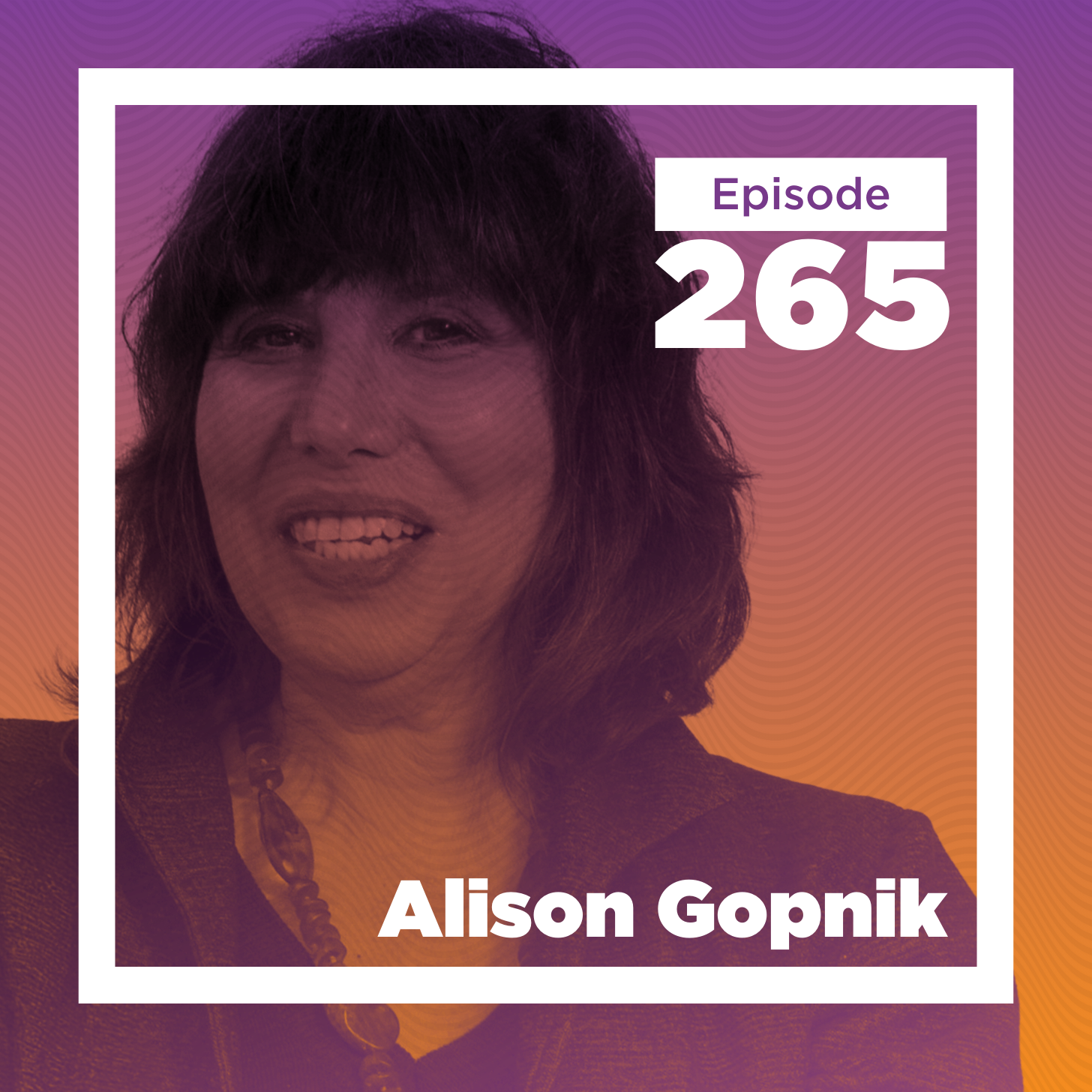
Alison Gopnik on Childhood Learning, AI as a Cultural Technology, and Rethinking Nature vs. Nurture
Help us keep the conversations going in 2026. Donate to Conversations with Tyler today. Alison Gopnik is both a psychologist and philosopher at Berkeley, studying how children construct theories of the world from limited data. Her central insight is that babies learn like scientists, running experiments and updating beliefs based on evidence. But Tyler wonders: are scientists actually good learners? It's a question that leads them into a wide-ranging conversation about what we've been systematically underestimating in young minds, what's wrong with simple nature-versus-nurture frameworks, and whether AI represents genuine intelligence or just a very sophisticated library. Tyler and Alison cover how children systematically experiment on the world and what study she'd run with $100 million, why babies are more conscious than adults and what consciousness even means, episodic memory and aphantasia, whether Freud got anything right about childhood and what's held up best from Piaget, how we should teach young children versus school-age kids, how AI should change K-12 education and Gopnik's case that it's a cultural technology rather than intelligence, whether the enterprise of twin studies makes sense and why she sees nature versus nurture as the wrong framework entirely, autism and ADHD as diagnostic categories, whether the success of her siblings belies her skepticism about genetic inheritance, her new project on the economics and philosophy of caregiving, and more.
Publisher
Conversations with Tyler
Link
cowenconvos.libsyn.com/alison-gopnik-on-childhood-learning-ai-as-a-cultural-technology-and-rethinking-nature-vs-nurture
Published
December 17, 2025
Duration
1h 1m
Format
Podcast
Category
Lifestyle · Education
Source
RSS feed
Conversations with Tyler
@conversationstyler
#childhoodlearning #culturaltechnology #rethinkingnature
