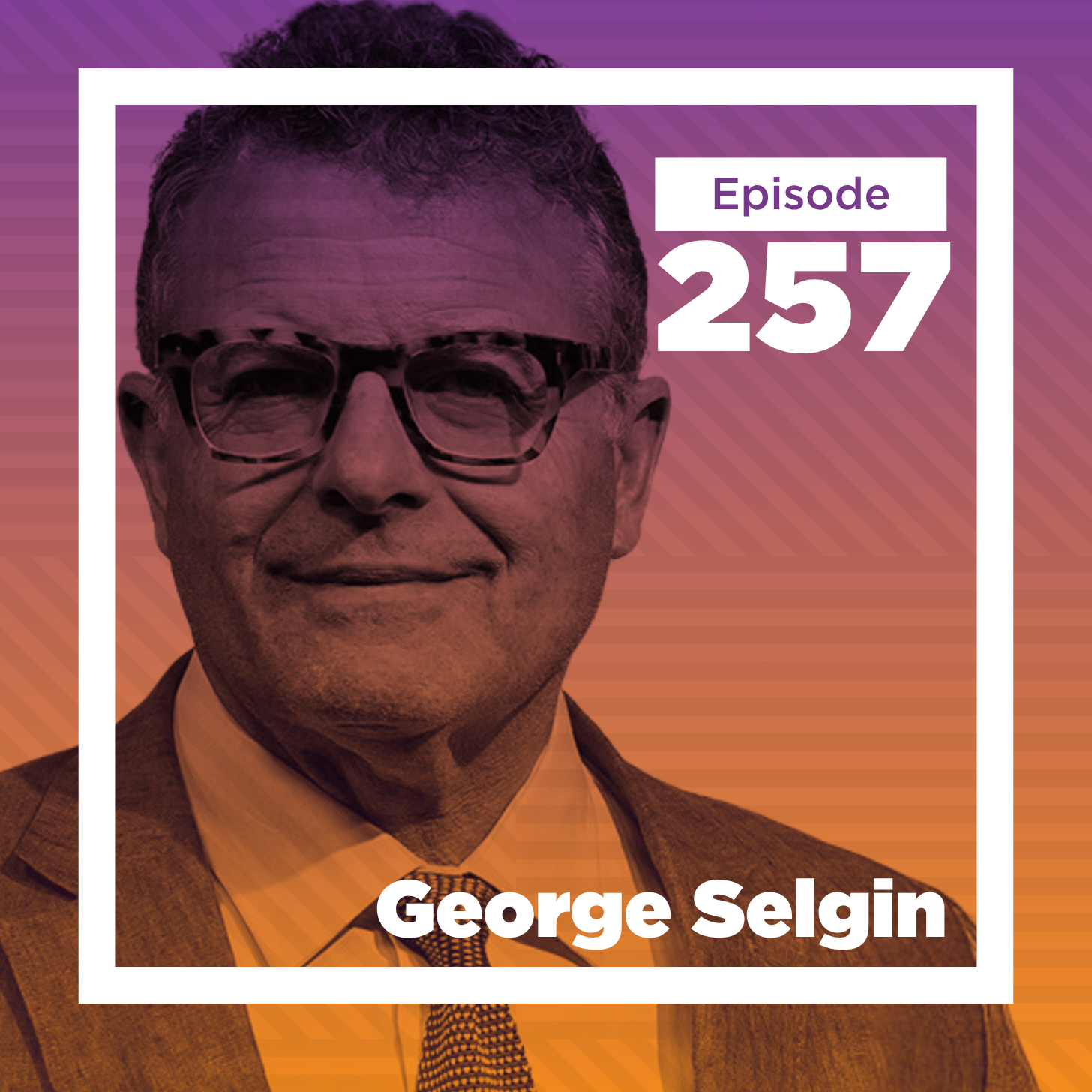
George Selgin on the New Deal, Regime Uncertainty, and What Really Ended the Great Depression
George Selgin has spent over four decades thinking about money, banking, and economic history, and Tyler has known him for nearly all of it. Selgin's new book False Dawn: The New Deal and the Promise of Recovery, 1933–1947 examines what the New Deal actually accomplished—and failed to accomplish—in confronting the Great Depression. Tyler and George discuss the surprising lack of fiscal and monetary stimulus in the New Deal, whether revaluing gold was really the best path to economic reflation, how much Glass-Steagall and other individual parts of the New Deal mattered, Keynes' "very sound" advice to Roosevelt, why Hayek's analysis fell short, whether America would've done better with a more concentrated banking sector, how well the quantity theory of money holds up, his vision for a "night watchman" Fed, how many countries should dollarize, whether stablecoins should be allowed to pay interest, his stake in a fractional-reserve Andalusian donkey ownership scheme, why his Spanish vocabulary is particularly strong on plumbing, his ambivalence about the eurozone, what really got America out of the Great Depression, and more. Read a full transcript enhanced with helpful links, or watch the full video on the new dedicated Conversations with Tyler channel. Recorded September 26th, 2025.
Publisher
Conversations with Tyler
Link
cowenconvos.libsyn.com/george-selgin
Published
October 15, 2025
Duration
1h 9m
Format
Podcast
Category
Lifestyle · Education
Source
RSS feed
Conversations with Tyler
@conversationstyler
#georgeselgin #regimeuncertainty #depression
