How Did Multicellular Life Evolve?
 The Joy of Why
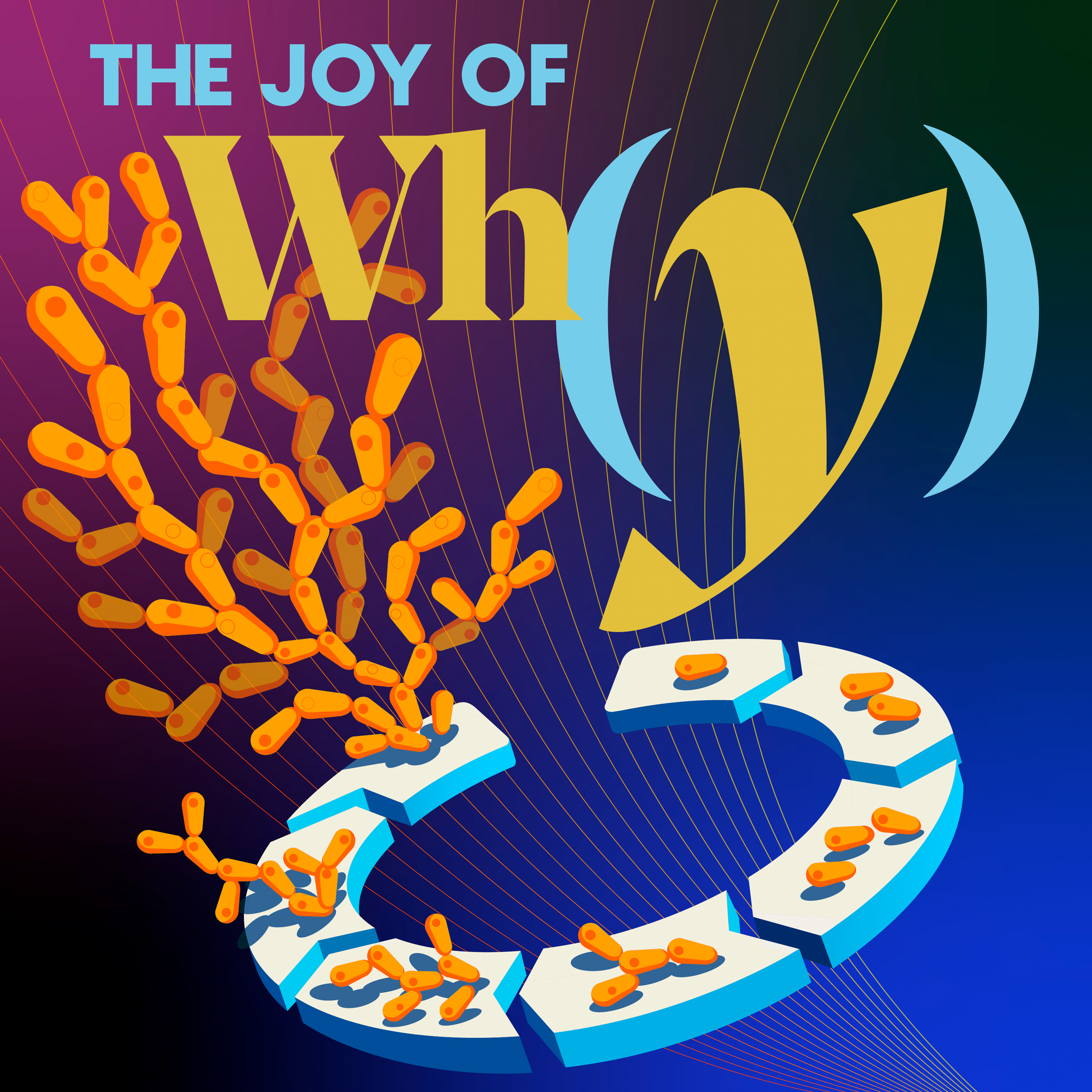
At first, life on Earth was simple. Cells existed, functioned and reproduced as free-living individuals. But then, something remarkable happened. Some cells joined forces, working together instead of being alone. This transition, known as multicellularity, was a pivotal event in the history of life on Earth. Multicellularity enabled greater biological complexity, which sparked an extraordinary diversity of organisms and structures. How life evolved from unicellular to multicellular organisms remains a mystery, though evidence indicates that this may have occurred multiple times independently. To understand what could have happened, Will Ratcliff at Georgia Tech has been conducting long-term evolution experiments on yeast in which multicellularity develops and emerges spontaneously. In this episode of The Joy of Why podcast, Ratcliff discusses what his “snowflake yeast” model could reveal about the origins of multicellularity, the surprising discoveries his team has made, and how he responds to skeptics who question his approach.
Publisher
The Joy of Why
Link
play.prx.org/listen?ge=prx_5340_7001520f-7a2a-4be0-8de8-1bf2f3348e3b&uf=http%3A%2F%2Fjoy.quantamagazine.org
Published
March 20, 2025
Duration
46 min
Format
Podcast
Category
Issues · Science
Source
RSS feed
Host
Steven Strogatz, Janna Levin and Quanta Magazine
#didmulticellular #evolve #lifesciences
