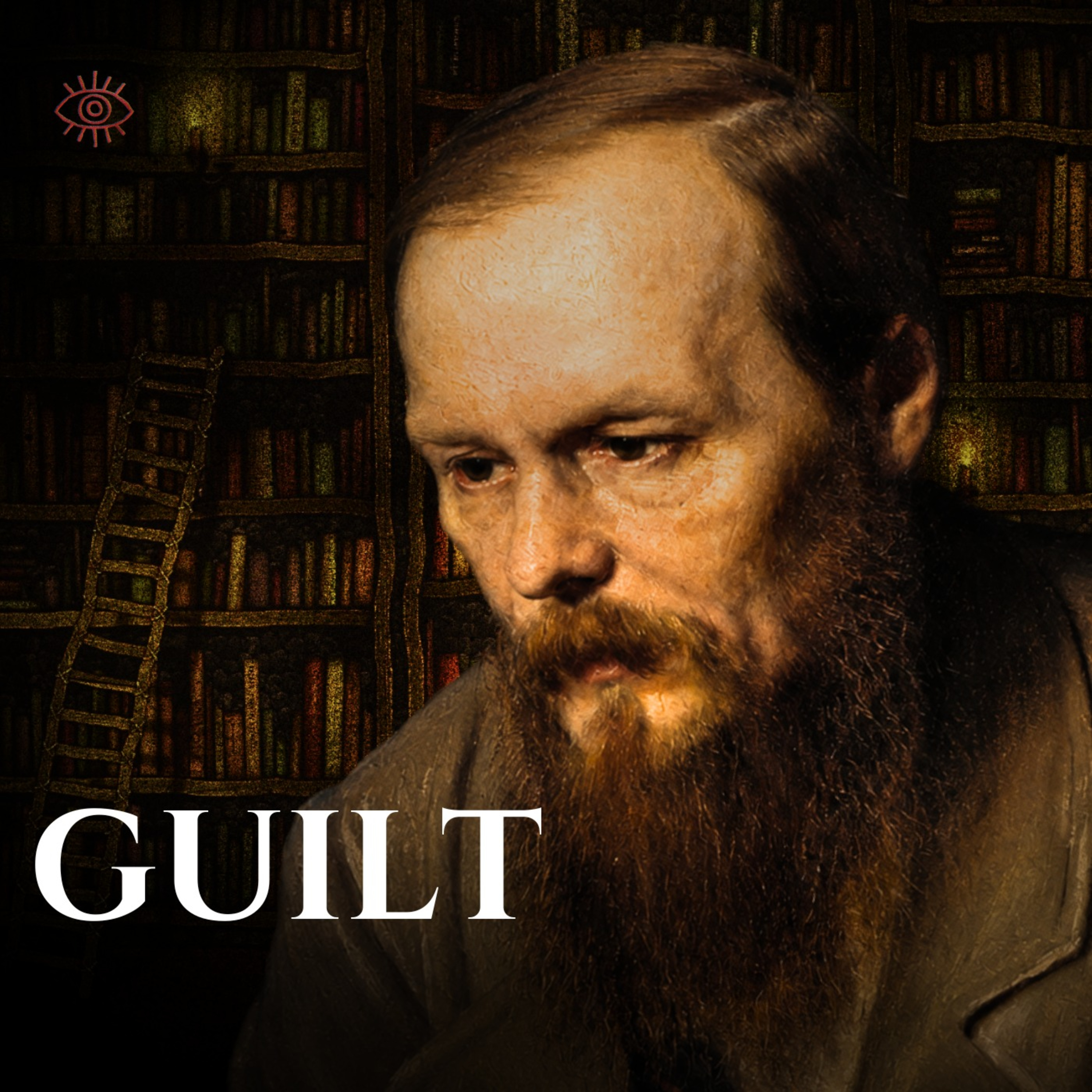
Dostoevsky's Crime and Punishment | Can a Murder Ever Be Justified?
 Sleepy Philosophy Radio
Fall asleep to Fyodor Dostoevsky's Crime and Punishment, a close reading of guilt, conscience and moral permission. A student imagines that exceptional people may cross the moral boundaries binding everyone else. This essay follows Raskolnikov's extraordinary man theory through his published article, Porfiry's questions, the competing demands of poverty and pride, and the relationships his reasoning cannot fully explain. Sonya's care preserves responsibility instead of erasing it. Razumihin offers useful work, Dunya resists generosity that expects obedience, and a false accusation exposes the difference between respectable confidence and reliable evidence. Crime and Punishment, also searched as Prestuplenie i nakazanie, separates fear from repentance and private admission from public confession. Its Siberian epilogue asks what remains to change after a sentence has been imposed. Brief context from Poor Folk and The House of the Dead locates Dostoevsky's attention to dignity, dependence and penal life without replacing the novel with a biography. The ending leaves renewal as a beginning requiring further choices. Please listen only in safe, restful contexts.
Publisher
Sleepy Philosophy Radio
Link
podcasters.spotify.com/pod/show/sleepyphilosophyradio/episodes/Dostoevskys-Crime-and-Punishment--Can-a-Murder-Ever-Be-Justified-e3qm7t2
Published
November 10, 2026
Duration
3h 2m
Format
Podcast
Category
Lifestyle · Philosophy
Source
RSS feed
#dostoevskyscrime #punishment #justified
