Climate Change Politics in Developing Countries
 VoxDev Development Economics
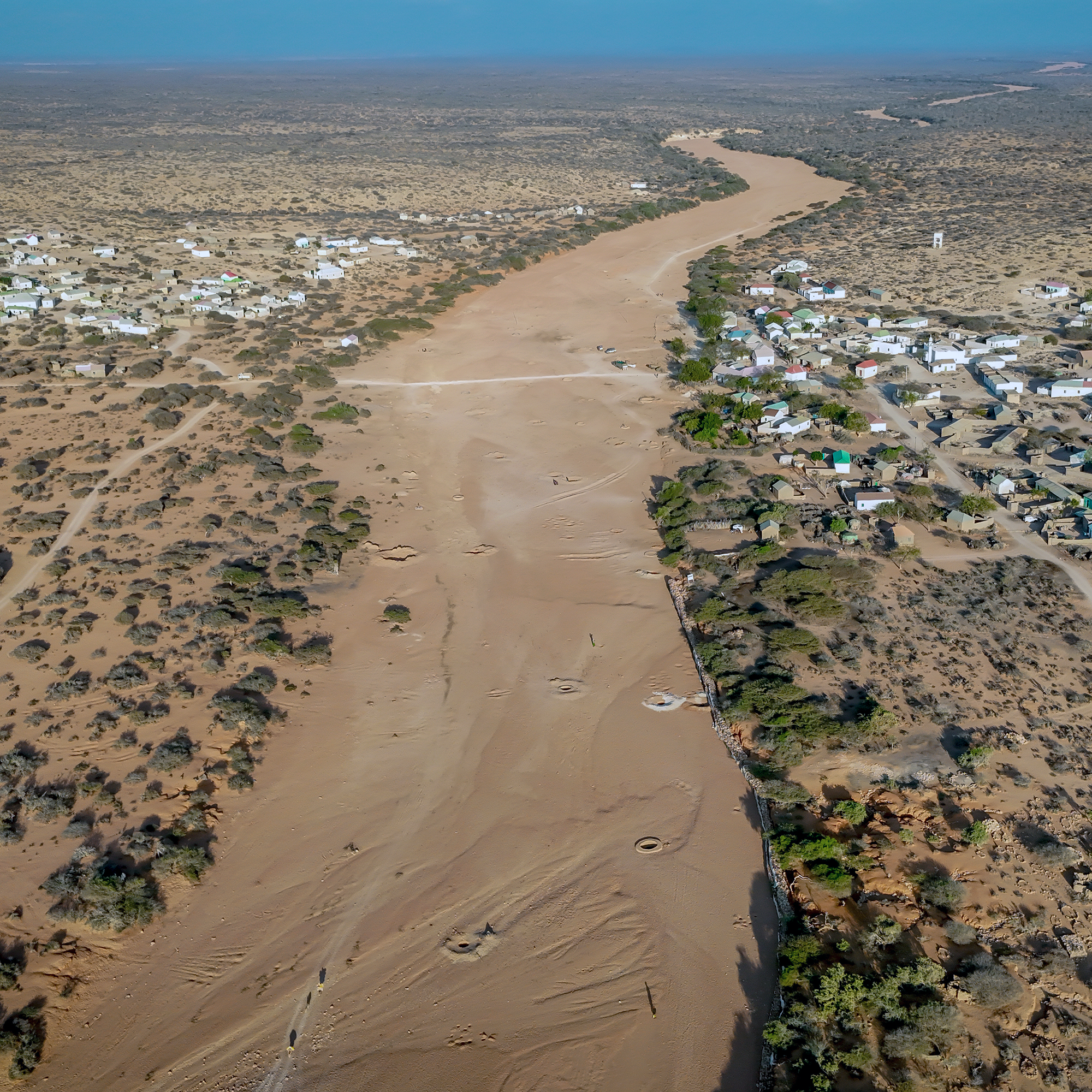
A river dries up. The soil turns salty. A harvest fails. Farmers across the developing world feel climate change constantly and personally, they rarely blame their government, or demand action. Guy Grossman (University of Pennsylvania) is one of three authors of a new review of the politics of climate change in the developing world. He tells Tim Phillips that almost all of the existing research on this topic is focused on rich countries, even though the developing world faces the worst of the damage, and has the least capacity to absorb it, because in those countries the link between climate change and political action is more explicit. Political solutions are needed: developing country income losses could run 60% higher than losses in wealthy countries, and climate change could push between 32 and 132 million people into extreme poverty within a decade. Grossman's review turns up a paradox in the public opinion data. Concern runs high even where formal climate literacy is low, because people experience the crisis through a failed harvest or a dried up well, not a scientific chart. This disconnect isn't neutral, because vulnerability isn't simply inherited. It is produced, by decisions about who owns land, whose villages get seawalls, and whose voice counts when climate money is handed out. The research behind this episode: Grossman, Guy, Audrey Sacks, and Alice Xu. 2026. "The Politics of Climate Change in the Developing World." Annual Review of Political Science 29: 101-126.
Publisher
VoxDev Development Economics
Link
audioboom.com/posts/8928338
Published
July 15, 2026
Duration
30 min
Format
Podcast
Category
Issues · Entrepreneurship
Source
RSS feed
Host
VoxDev.org
#climatechangepolitics #developingcountries #socialsciences #government #nonprofit
