Can Fashion Sell a New Generation on Trade Jobs?
 The Debrief
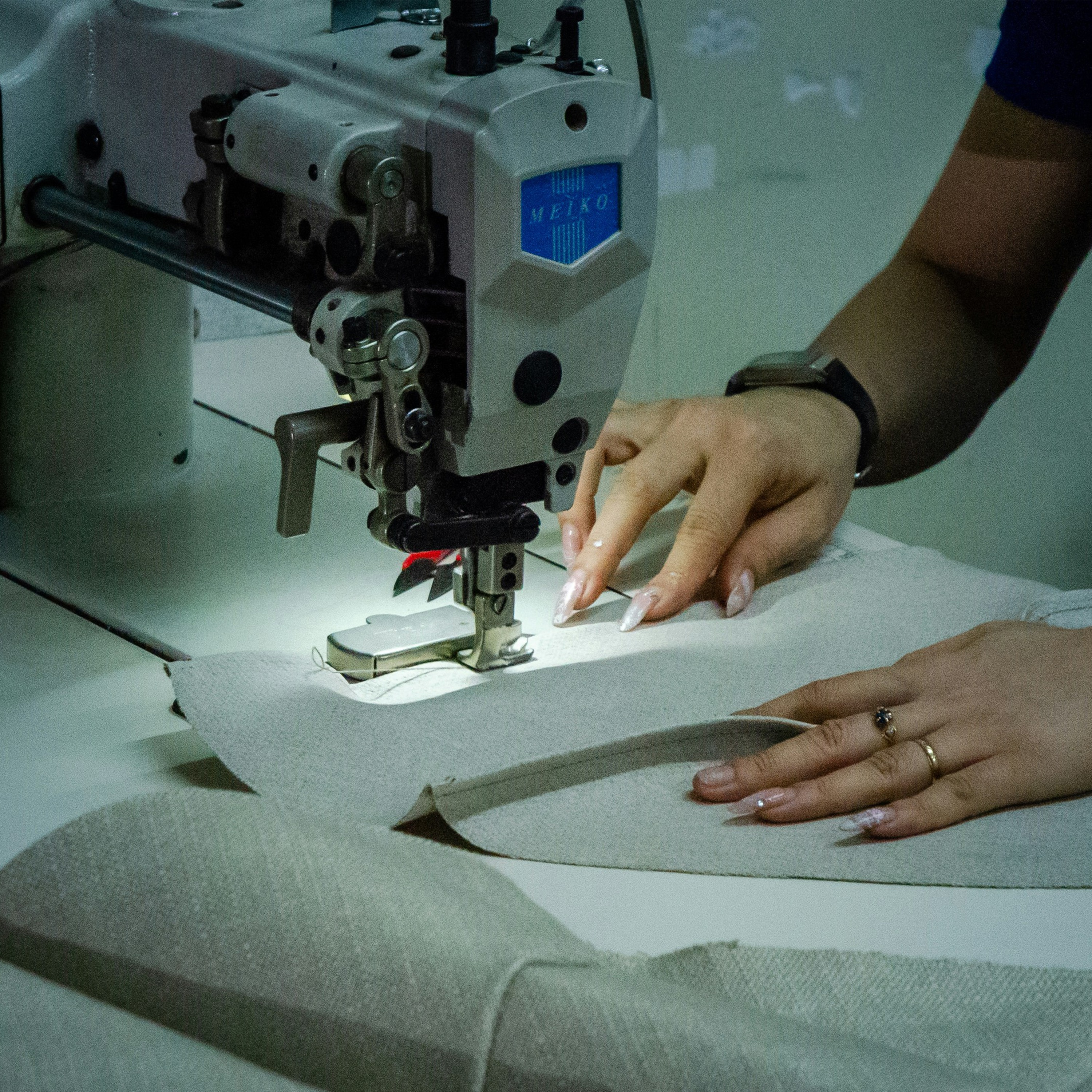
Behind every luxury handbag, bespoke suit and couture gown lies an intricate value chain powered by skilled artisans. But as master craftspeople retire without successors, fashion faces a growing shortage of skilled workers — US tailoring employment has fallen roughly 30 percent over the last decade. Nordstrom, North America's largest employer of tailors, is funding tailoring programmes at FIT and Seattle Central College with another planned at ASU FIDM. The effort is aimed at rebuilding that pipeline at a moment when skilled trades more broadly are enjoying renewed interest from young people questioning the value of a four-year degree. In this episode, Sheena Butler-Young is joined by BoF Commercial Features Editor Dan Hastings to explore why fashion’s skilled-trades pipeline has thinned, what the industry is doing to rebuild it, and whether rising tuition costs and anxiety around AI have created a new opportunity to sell young people on these careers. Key Insights: As Hastings sees it, today’s shortage reflects decades of consolidation and the shift of more luxury manufacturing outside traditional fashion capitals. In his view, the industry failed to invest enough in training the next generation of skilled craftspeople, leaving many expert artisans nearing retirement with too few successors in the pipeline. The industry, he says, "kept the offices in the West...
Publisher
The Debrief
Link
shows.acast.com/the-debrief-podcast/episodes/6aabf96e8a1508074db6372c
Published
September 17, 2026
Duration
29 min
Format
Podcast
Category
Issues · Entrepreneurship
Source
RSS feed
Host
The Business of Fashion
#fashionsell #generation #tradejobs
