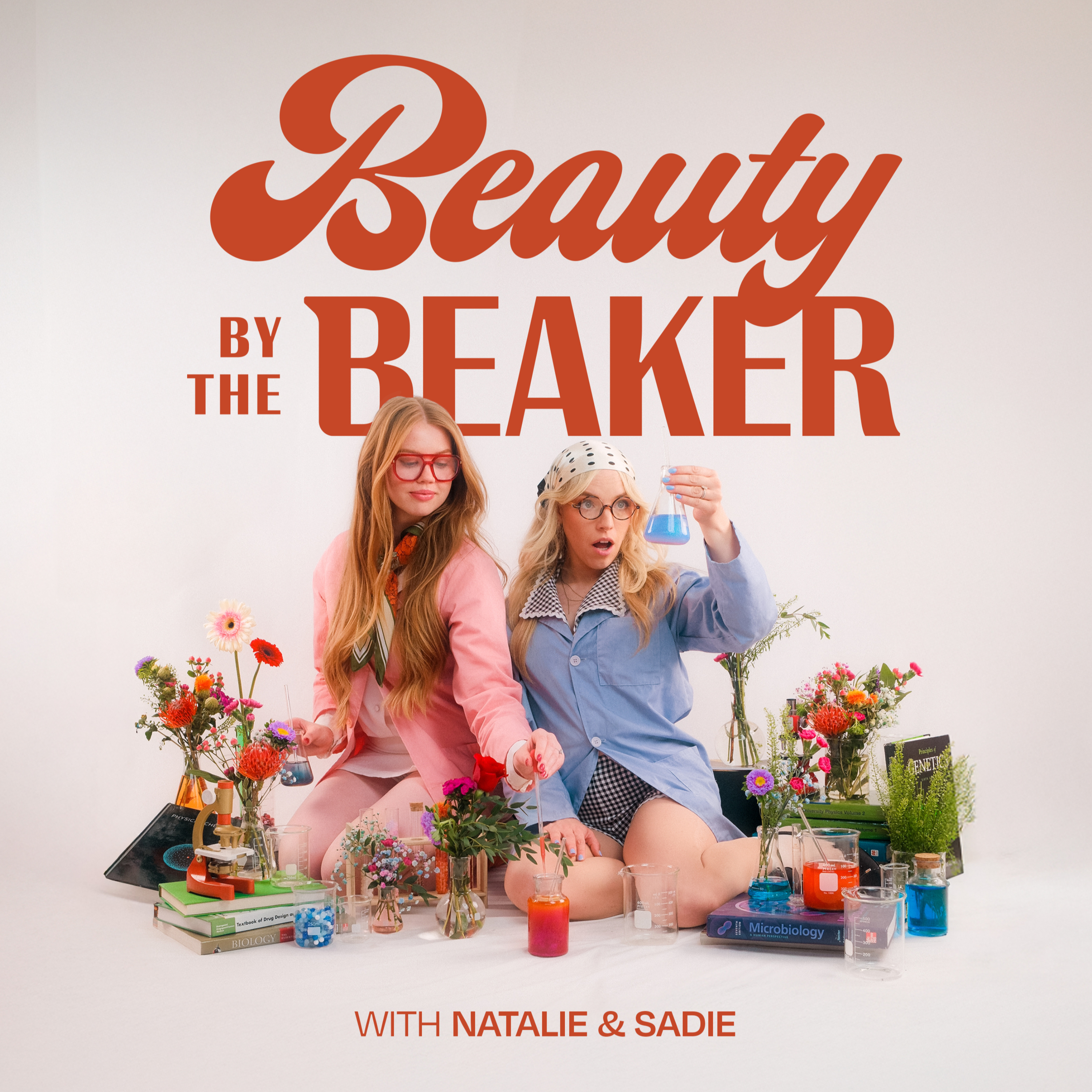
Non-Comedogenic? A 50 Year Old Rabbit Study is Influencing Your Skincare Choices - EP 32
Episode 32
Most people believe certain ingredients or products cause acne, but the truth is far more complex, and surprisingly outdated. This week we are diving into the real science behind the popular non-comedogenic claim that’s been shaping skincare for over 50 years. This episode unpacks the origins of the Rabbit Ear Study, revealing why its findings are not super reliable. If you’ve ever read a label claiming “non-comedogenic” and wondered what it really means, this is your essential guide to understanding the truth about acne-causing ingredients, and spoiler: it's not what you think. Sadie and Natalie, cosmetic chemists with over a decade of experience, break down the belief that certain ingredients block pores and cause breakouts. This idea was born in the 70s using animal testing. You’ll discover how early studies overstated the impact of individual ingredients, and why the finished product’s formulation, ingredient purity, and application hygiene matter far more than isolated components. We explore how modern science challenges the simplistic idea of “bad” ingredients, emphasizing that the overall formula matters, and not just one ingredient on a list. Key Topics: The history and origins of the "non-comedogenic" claim, starting from the 1972 rabbit ear study by Albert Kligman and Otto Hills. The limitations and flaws of animal testing models, specifically how they overpredict comedogenicity compared to human skin.
Publisher
Beauty by the Beaker
Link
podcasters.spotify.com/pod/show/beauty-by-the-beaker/episodes/Non-Comedogenic--A-50-Year-Old-Rabbit-Study-is-Influencing-Your-Skincare-Choices---EP-32-e3ilah7
Published
April 29, 2026
Duration
38 min
Format
Podcast
Category
Issues · Science
Source
RSS feed
Beauty by the Beaker
@beautybythebeaker
#comedogenic #yearoldrabbit #skincarechoices #chemistry