Why businesses stay small in emerging markets
 VoxDev Development Economics
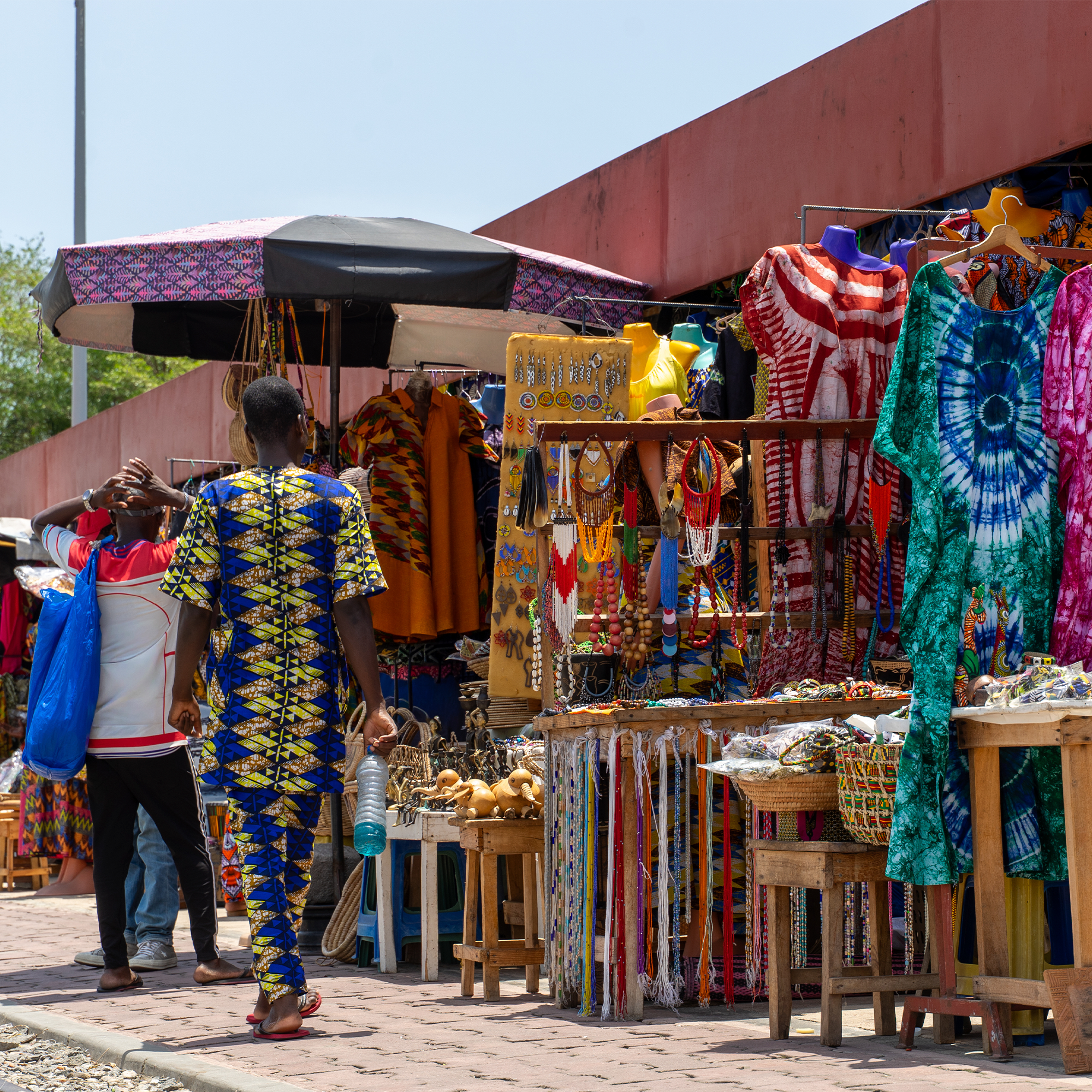
If you walk down a street in a low-income country, count the businesses you can see, you will miss many entirely. Someone who cooks at home and sells at the roadside never appears in a registry. What we know about businesses in developing countries has always been incomplete. In this week's VoxDev Talk, Marcela Eslava (Universidad de los Andes Bogota) talks to Tim Phillips about two decades of research into why firms in developing economies stay small, grow slowly, and rarely break through. A worker in a developing economy is about three times more likely to be running, or working in, one of these very small businesses than a worker in a high income economy, and far more likely to be self-employed, a one-person firm. Weaker human capital and less access to technology make it harder to start a business. Costlier credit, labour regulation that makes it difficult and expensive to employ staff, and taxes on formal firms make it harder to grow. Some of these distortions are even introduced by well-meaning policymakers, such as low taxes for small firms - which then effectively tax growth. The research behind this episode: Eslava, Marcela. 2026. "Firm Size and Dynamics in Less-Developed Economies." Annual Review of Economics, volume 18. Review in advance; changes may still occur before final publication. To cite this episode: Phillips, Tim, and Marcela Eslava. 2026. "Why businesses stay small in emerging markets." VoxDev Talks (podcast).
Publisher
VoxDev Development Economics
Link
audioboom.com/posts/8931018
Published
July 22, 2026
Duration
34 min
Format
Podcast
Category
Issues · Entrepreneurship
Source
RSS feed
Host
VoxDev.org
#businessesstaysmall #emergingmarkets #socialsciences #government #nonprofit
