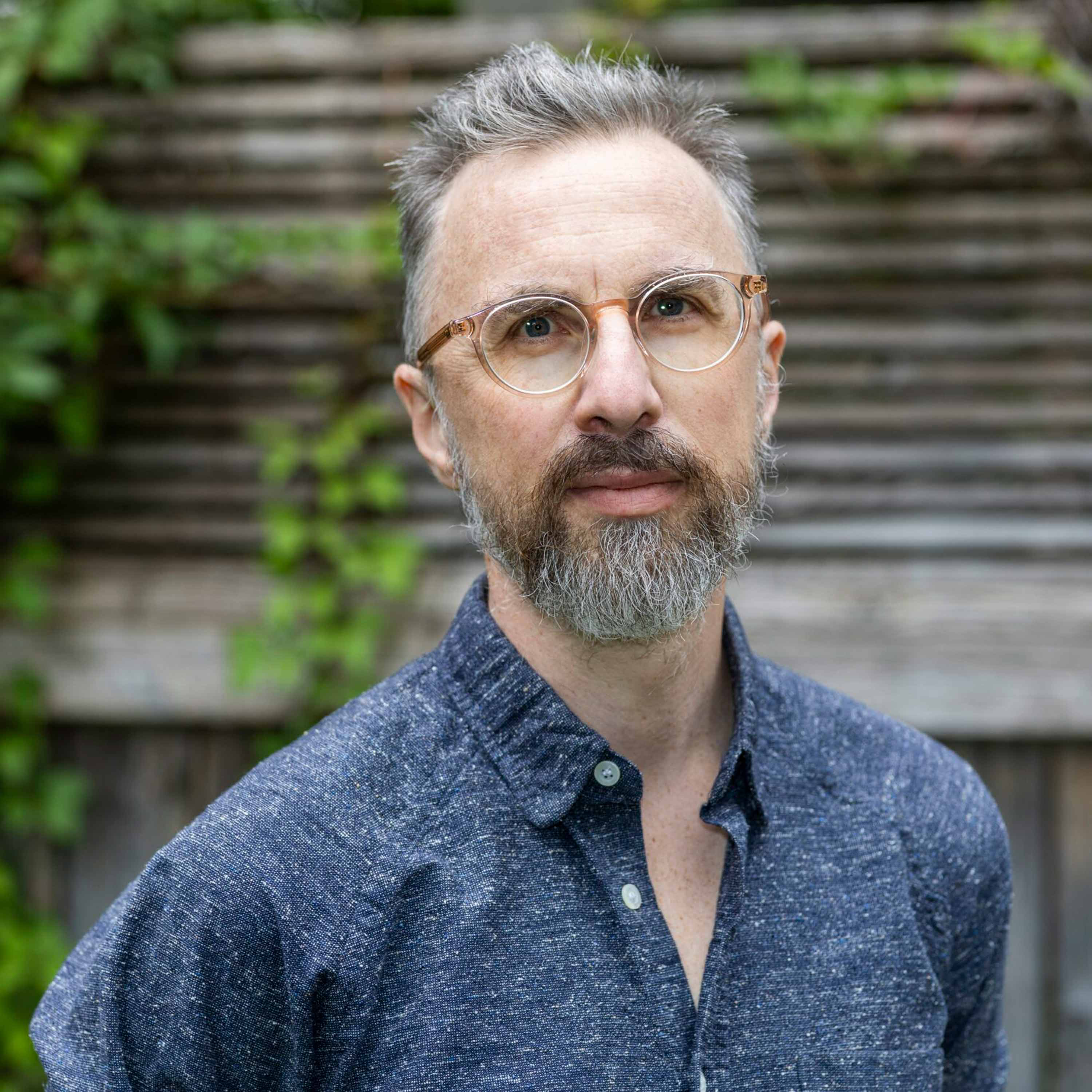
How Animals Are Adapting to Cities & Reshaping the Natural World w/ Author & Epidemiologist DAN WERB
 The Creative Process · Arts, Culture & Society: Books, Film, Music, TV, Art, Writing, Creativity, Education, Environment, Th
"So synanthropes are animals that have adapted to human-modified environments, and the Greek translation essentially is together with humans, so synanthrope. And they're a fascinating subset of wild animals that they're all around us, but we don't really notice them. And so in this new book, I was excited about writing something that had to do with the natural world. I was excited about writing something that touched on climate change. These are not just insects and earthworms and things like that. These are very large predators that have nevertheless found a way to survive among us. And that in and of itself I think is just an amazing story and what I explore in this book." If you live in a city, you’ve probably had that moment in the middle of the night. You hear a scratching in the walls, or you catch the glowing eyes of a raccoon peering out from a dumpster, and for a second, the concrete world feels a lot less 'controlled' than we like to pretend. We’ve been taught to think of cities as 'biological deserts'—places where nature goes to die. But my guest today, Dan Werb, says that’s a myth we tell ourselves to feel safe. Dan is an award-winning epidemiologist and a musician, and in his new book, Our Wild Familiars, he explores the 'synanthropes'—the wild creatures that aren't our pets, but aren't quite strangers either. They are the coyotes, the bats, and even the octopuses that are learning to use our cities as laboratories for their own rapid evolution.
Publisher
The Creative Process · Arts, Culture & Society: Books, Film, Music, TV, Art, Writing, Creativity, Education, Environment, Th
Link
rss.com/podcasts/creativeprocess/3000123
Published
July 15, 2026
Duration
1h 41m
Format
Podcast
Category
Lifestyle · Arts
Source
RSS feed
Host
Mia Funk
#adapting #reshaping #epidemiologistdanwerb #performingarts
