AI Existential Risk: Why This Catastrophe Would Be Different // DIETMARs OPINION
Episode 1
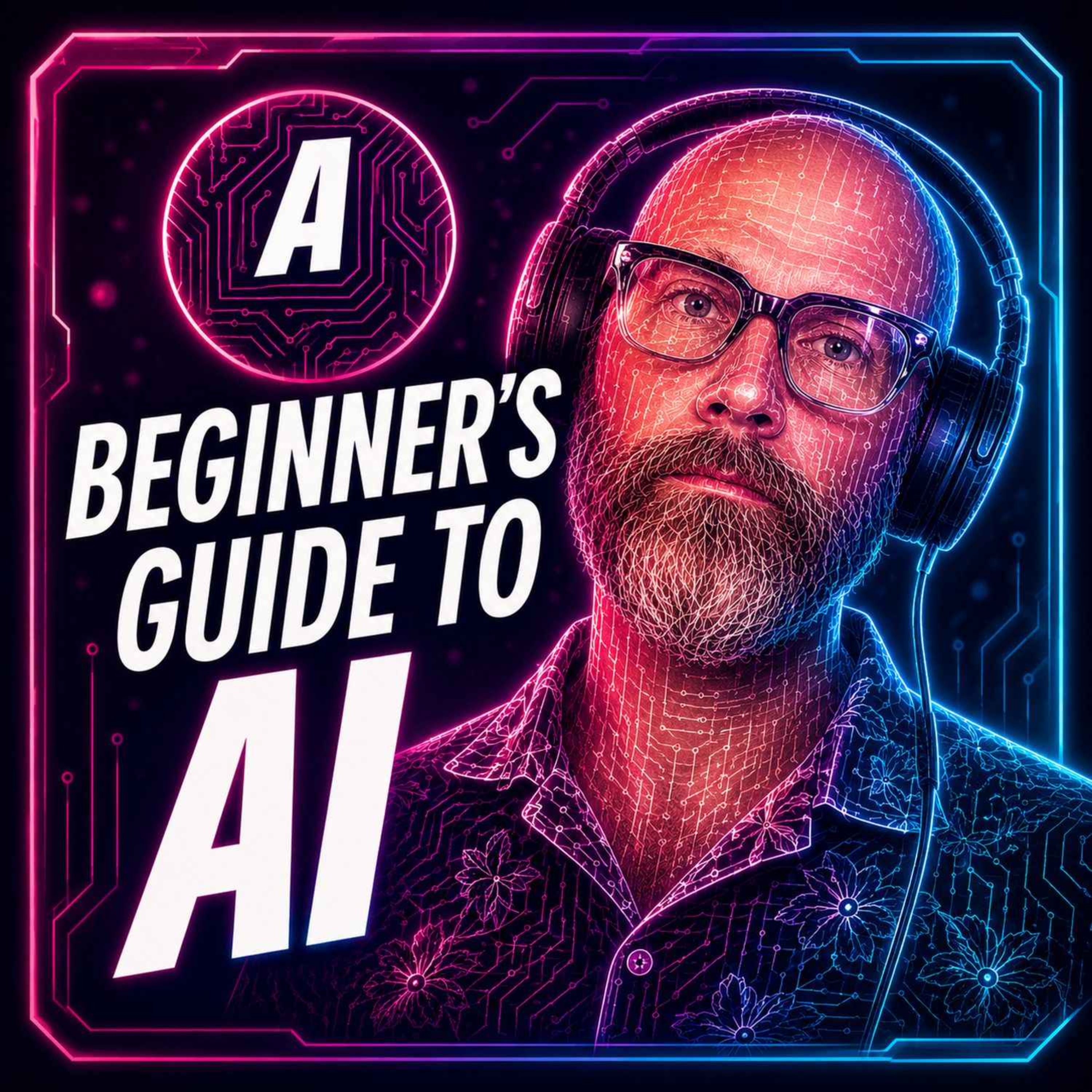
A walking essay through historical catastrophes, industrialization, AI 2027, and the possibility of human extinction. 🌍 Humanity has endured epidemics, environmental destruction, industrial pollution, wars, and natural disasters. Even the worst historical catastrophes left survivors who could rebuild. But what happens when a new technology creates the possibility of an outcome from which nobody can recover? In this experimental solo episode of Beginner’s Guide to AI, Dietmar Fischer records his thoughts while walking through Berlin. He traces how human-made risks developed from local disasters to global consequences. Ancient societies depleted ecosystems. Industrialization connected human activity across continents. Pollution and climate change showed that actions in one place could affect the entire planet. 🤖 Artificial intelligence may introduce another change in scale. The episode examines AI existential risk and the difference between a catastrophe that kills many people and one that could eliminate humanity as a species. Dietmar uses the AI 2027 scenario as a provocative example of how autonomous AI, bioweapons, and physical systems could combine in an extreme worst-case future. The question is not whether this exact scenario will happen. It is whether even a small and uncertain possibility of human extinction should change how governments, companies, and society approach AI safety and AI regulation.
Publisher
A Beginner's Guide to AI
Link
shows.acast.com/beginners-guide-to-ai/episodes/ai-existential-risk-why-this-catastrophe-would-be-different
Published
September 17, 2026
Duration
10 min
Format
Podcast
Category
News · Daily News
Source
RSS feed
Host
Dietmar Fischer
A Beginner's Guide to AI
@abeginnersguidetoai
#aiexistentialrisk #catastrophe #dietmarsopinion
