
Idealism vs. Pragmatism in Canine Training: Behavioral Science with Dr. Stewart Hilliard
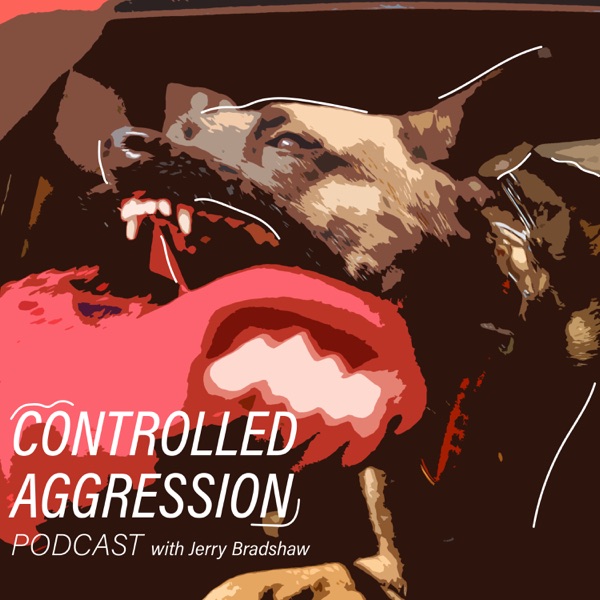 Controlled Aggression
In this episode, Jerry Bradshaw and Dr. Stewart Hilliard discuss: Why your dog training should be based on theory, pragmatic results, and experience. Theoretical vs intuitive dog training. How is idealist training different from pragmatic training? Why you should not be removing all stressors from your dog training. Control and learned helplessness. Key Takeaways: Dog training is a long series of lonely decisions. You are a team of one training your dog, and even if you have a coach, in the moment, you are the one making each decision based on the problem facing you in the moment. Technical training is great, but you do need to be able to generalize the training for different locations and situations for the best results. If, in the course of doing its job, your dog will face adversity, then having a background in overcoming some adversity in training is going to stand the dog in good stead. There is considerable discussion and data that speak to the point that the ideal state for an animal to develop in is not necessarily one that is free of stress. Aversive control can be used without producing bad welfare for the subjects of the training. On the flip side, excellent positive reinforcement technicians also produce really good results in dog training. Animals in avoidance are not running from something; they are running to something safe. "If you want to engage with dogs intellectually, they're a very rich topic for intellectual engagement, because they're super interesting.
Publisher
Controlled Aggression
Link
controlledaggressionposcast.libsyn.com/idealism-vs-pragmatism-in-canine-training-behavioral-science-with-dr-stewart-hilliard
Published
January 8, 2026
Duration
1h 38m
Format
Podcast
Category
Lifestyle · How To
Source
RSS feed
Host
Jerry Bradshaw
#caninetraining #behavioralscience #stewarthilliard #howto
