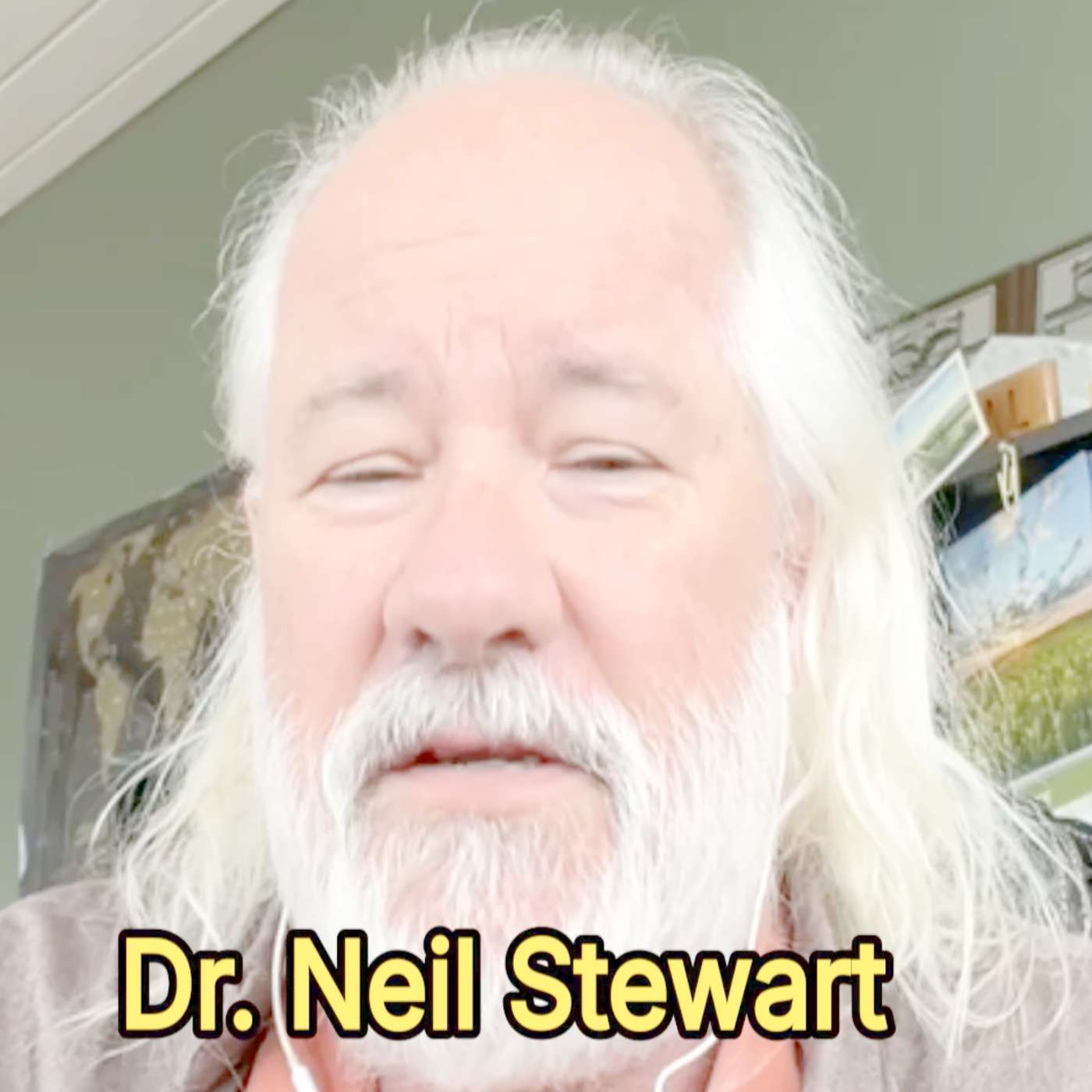
Dr. Neil Stewart-Radiation Sensing Potatoes
 Talking Biotech with Dr. Kevin Folta
Plants can't get up and walk away from stress or predators, so they've evolved sensitive systems to sense and in some cases anticipate changes in their environment. Now, there's sensors to light, to humidity, to touch, to gravity, to dozens of other prevailing factors that push information from the external environment into the nucleus, shaping gene expression and adapting. To that change. Now, the fun part about this in today's era of synthetic biology is that the plant sensor and response systems are basically a toolbox. They're a template for synthetic innovation, as we can use their sense and response systems to work for us. Now, a number of plant-based sensors have been developed over the years. We're speaking with Dr. Neil Stewart. He's the professor in the plant department of plant sciences at the University of Tennessee and also the co-director of agricultural synthetic biology. So you've invented a potato plant that senses radiation to let us know it's there. So why do we need a plant radiation sensor?
Publisher
Talking Biotech with Dr. Kevin Folta
Link
share.transistor.fm/s/cb8405a8
Published
June 16, 2026
Duration
24 min
Format
Podcast
Category
Issues · Science
Source
RSS feed
Host
Kevin Folta
#neilstewart #radiationsensingpotatoes #lifesciences
