How Reliable Is Forensic Science? The Truth About Criminal Profiling and Investigations
 The Pulse
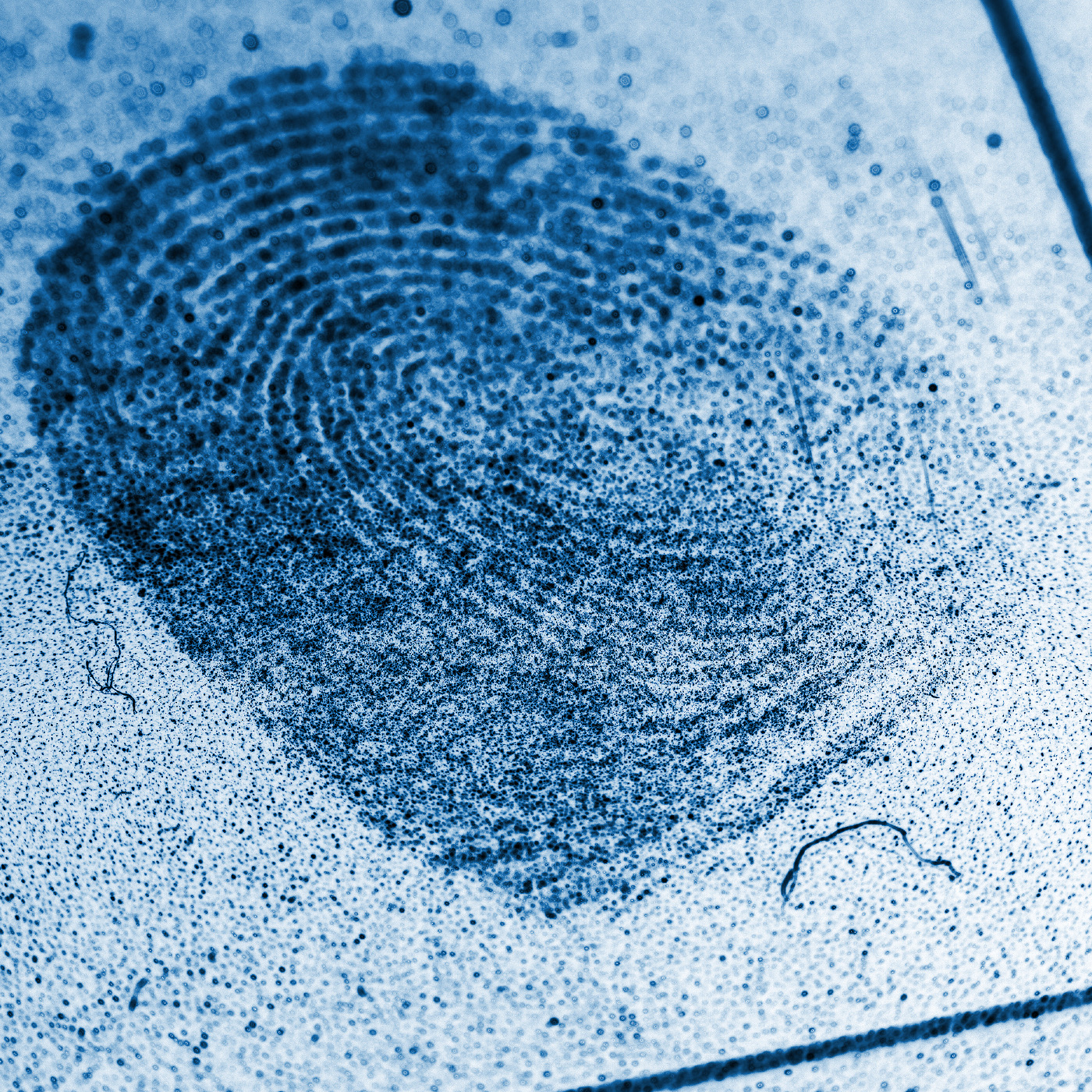
Investigators have long relied on science to help solve crimes, from fingerprint and blood splatter analysis to the psychology of criminal minds. But not every investigative technique rests on solid scientific ground. On this episode, how science is used in criminal investigations, and what happens when these methods aren’t as reliable as we might think. For years in Hollywood, a kind of mythology has been growing around a specific kind of investigator: FBI behavioral analysts, better known as criminal profilers — agents specially trained in psychology to help decode the minds of serial offenders. In TV shows and movies, they’re shown making brilliant, almost miraculous, connections that ultimately help catch the bad guy. But how accurate are these depictions? Pulse reporter Liz Tung explores the history of criminal profiling, how it works, and what’s behind longstanding criticisms of its methods. In 2004, the FBI was called in to assist on an investigation into a series of terrorist train bombings in Madrid. The agency connected the fingerprints gathered to a lawyer in Oregon, ultimately arresting him. There was just one problem: They’d nabbed the wrong guy. The attorney was ultimately released and received a settlement, but the fallout wasn’t over. Pulse reporter Alan Yu explores how the blunder led to efforts to create standards for evidence collection.
Publisher
The Pulse
Link
play.prx.org/listen?ge=prx_12369_e307f80a-7e02-4bf4-a3f7-15554dfdb193&uf=https%3A%2F%2Fpublicfeeds.net%2Ff%2F12369%2Fthepulse.xml
Published
July 16, 2026
Duration
50 min
Format
Podcast
Category
Lifestyle · Health & Wellness
Source
RSS feed
Host
WHYY
#forensicscience #criminalprofiling #investigations
